1

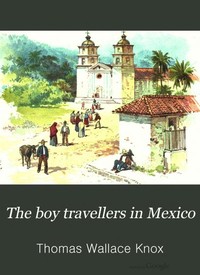
The Boy Travellers in Mexico Adventures of Two Youths in a Journey to Northern and Central Mexico, Campeachey, and Yucatan, With a Description of the Republics of — Themes and Context
(0 User reviews)
904
Project Gutenberg
2020
Not confirmed
Mexico -- Description and travel
Readers of public-domain and historical texts
Project Gutenberg digital edition
en
Edition facts
Words
155,074
Reading time
675 min
Text sections
24
For The Boy Travellers in Mexico Adventures of Two Youths in a Journey to Northern and Central Mexico, Campeachey, and Yucatan, With a Description of the Republics of — Themes and Context, the stored edition analysis reports 155,074 words, 11 hr 15 min estimated reading time, and 24 detected text sections.
The text analysis averages about 21.5 words per sentence, while the detected sections provide another way to judge how the source is divided.
Project Gutenberg metadata also associates the work with “Mexico -- Description and travel,” connecting these edition facts with the source record’s subject description.
Source:
Project Gutenberg record #61346
This editorial note examines how the opening, middle, and later excerpts of Knox's 1890 travelogue guide a first reading, focusing on the interplay between narrated adventure and encyclopedic digressions on Mexican history, geography, and culture.
Editorial Edition Score
4.9/5
★★★★★
★★★★★
Calculated from edition completeness, EPUB availability, text structure and catalogue metadata. Not a user rating.
How this score is calculated
- Description quality20 pts
- Title & short description10 pts
- Source metadata20 pts
- Text length15 pts
- Chapters / structure15 pts
- EPUB file integrity20 pts
Total of 100 points, scaled to a 2.5-5.0 range. Editions with an empty description or a missing EPUB file are not scored.
Edition quality
Read the Text
PREPARATIONS FOR DEPARTURE.--PLANS FOR THE JOURNEY.--TO MEXICO BY RAIL.--BAGGAGE, AND BOOKS ON THE COUNTRY.--BRUSHING UP THEIR KNOWLEDGE OF SPANISH.--WESTWARD FROM NEW YORK.--A HALT AT ST. LOUIS.--SAN ANTONIO, TEXAS.--VISIT TO THE ALAMO.--REMINISCENCES OF THE FALL OF THE ALAMO.--BATTLE OF SAN JACINTO AND INDEPENDENCE OF TEXAS.--NOTES ON THE RAILWAYS OF NORTHERN MEXICO.--OLD TEXAS AND MODERN CHANGES.--"G. T. T."--PRESENT WEALTH OF THE STATE.--ARRIVAL ON THE FRONTIER OF MEXICO. Page 1
HOTELS ON THE FRONTIER.--ACCOMMODATIONS AT LAREDO.--SMUGGLING OVER THE BORDER.--LAREDO AS A RAILWAY CENTRE.--THE RIO GRANDE AND ITS PECULIARITIES.--RIVERS BENEATH THE SANDS.--ENTERING MEXICAN TERRITORY.--EXAMINATIONS AT THE CUSTOM-HOUSE.--MEXICAN TARIFFS.--BRIBERY AMONG OFFICIALS.--LEAVING NUEVO LAREDO.--A DREARY PLAIN.--FELLOW-PASSENGERS WITH OUR FRIENDS.--A MEXICAN IRISHMAN.--PEOPLE AT THE STATIONS.--ADOBE HOUSES; HOW THEY ARE MADE.--THE LAND OF MAÑANA.--POCO TIEMPO AND QUIEN SABE.--LAMPASAS.--MESA DE LOS CARTUJANOS.--PRODUCTS OF NUEVO LEON.--SADDLE AND MITRE MOUNTAINS.--MONTEREY. 15
THE AMERICAN INVASION OF TO-DAY.--MONTEREY AS A HEALTH RESORT; ITS SITE AND SURROUNDINGS.--THE CATHEDRAL AND OTHER PUBLIC BUILDINGS.--CAPTURE OF MONTEREY BY GENERAL TAYLOR.--SHORT HISTORY OF THE MEXICAN WAR.--FROM CORPUS CHRISTI TO MONTEREY.--THE ATTACK ON THE CITY.--CAPTURE OF THE FORTS AND THE BISHOP'S PALACE.--FRANK RECITES A POEM.--LIEUT. U. S. GRANT AND WHAT HE DID AT MONTEREY.--A STORY ABOUT JEFFERSON DAVIS.--HOW JOHN PHENIX ESCAPED CASHIERING.--SIGHTS OF THE CITY.--THE MARKET-PLACE AND WHAT WAS SEEN THERE.--FRUITS, BIRDS, POTTERY, ETC.--IN A MONTEREY HOUSE.--A PALATIAL RESIDENCE. 31
SOUTHWARD TO SALTILLO.--SANTA CATERINA.--REMARKABLE CAVES.--SCENERY OF THE SIERRA MADRE.--WAY-SIDE ATTRACTIONS.--THE CACTUS; ITS FLOWERS AND MANY VARIETIES.--SALTILLO.--THE ALAMEDA.--MEXICAN CURRENCY.--THE BATTLE-FIELD OF BUENA VISTA.--BY CARRIAGE AND SADDLE.--A NIGHT AT A HACIENDA.--MEXICAN COOKERY.--TORTILLAS, PUCHERO, FRIJOLES, TAMALES, AND OTHER EDIBLES.--HISTORY OF THE MEXICAN WAR FROM MONTEREY TO BUENA VISTA.--5000 AMERICANS DEFEAT 20,000 MEXICANS.--DESCRIPTION OF THE FIELD.--COTTON FACTORY AT SALTILLO.--COTTON MANUFACTURES IN MEXICO. 48
FROM SALTILLO TO JARAL.--A JOURNEY BY DILIGENCE.--PECULIARITIES OF DILIGENCE TRAVEL.--BRIGANDAGE; HOW THE GOVERNMENT SUPPRESSED IT.--ROBBERS TURNED INTO SOLDIERS.--STORIES OF BRIGANDS AND THEIR WORK; THEIR TREATMENT OF PRISONERS.--A CASE OF POLITENESS.--DINNER AT A WAY-SIDE INN.--CHILE CON CARNE.--DESCRIPTION OF CHIHUAHUA.--THE SANTA EULALIA MINES; ROMANTIC STORY OF THEIR DISCOVERY.--TORREON AND LERDO.--COTTON IN TRANSIT.--STATISTICS OF COTTON IN MEXICO.--FRESNILLO.-- CALERA.--A BAD BREAKFAST.--ARRIVAL AT ZACATECAS.--LODGED IN AN OLD CONVENT. 66
NAME, POPULATION, AND PECULIARITIES OF ZACATECAS.--THE PILGRIMAGE CHAPEL.--A WEALTHY CATHEDRAL.--STREET SCENES.--MINES OF ZACATECAS.--A DANGEROUS DESCENT.--THE PATIO PROCESS OF REDUCING ORES.--TREADING ORE WITH MULES AND HORSES.--A SORRY SIGHT.--THE MINERS; HOW THEY LIVE AND WORK.--STATISTICS OF SILVER-MINING IN MEXICO.--ASTOUNDING CALCULATIONS.--FROM ZACATECAS TO AGUAS CALIENTES.--FARM SCENES.--FARMING IN MEXICO.--CONDITION OF LABORERS.--MEN AS BEASTS OF BURDEN.--AGUAS CALIENTES.--A BEAUTIFUL CITY.--A PICTURESQUE POPULATION.--WOMEN OF MEXICO. 85
SOUTHWARD AGAIN.--CROSSING A BARRANCA.--BARRANCAS IN MEXICO.--LAGOS AND ITS PECULIARITIES.--LEON, THE MANUFACTURING CITY OF MEXICO.--SILAO.--ARRIVAL AT GUANAJUATO.--A SILVER CITY.--THE VALENCIANO MINE.--AN UNHEALTHY PLACE.--BAD DRAINAGE.--A SYSTEM OF RESERVOIRS.--THE CASTILLO DEL GRENADITAS.--AN INDIAN'S ARMOR.--EXPERT THIEVES.--STEALING A GRINDSTONE.--MARKET SCENES.--HEADS OF SHEEP AND GOATS.--SCHOOLS AT GUANAJUATO.--EDUCATION IN MEXICO.--DOWN IN THE RAYAS MINE.--SIGHTS UNDERGROUND.--AN INDIAN WATER-CARRIER.--HOW A SKIN IS TAKEN WHOLE FROM A PIG.--THE REDUCTION HACIENDA.--MR. PARKMAN'S MACHINE.--QUERETARO.--THE HERCULES AND OTHER COTTON-MILLS. 102
AQUEDUCT AT QUERETARO.--THE RESULT OF A BANTER.--THE HILL OF THE BELLS.--PLACE WHERE MAXIMILIAN WAS SHOT.--REVOLUTIONS IN MEXICO.--FOREIGN INTERVENTION.--MAXIMILIAN BECOMES EMPEROR.--THE "BLACK DECREE."--WITHDRAWAL OF FRENCH TROOPS FROM MEXICO.--MAXIMILIAN'S DEFEAT, CAPTURE, AND DEATH.--HOW A FRENCH NEWSPAPER CIRCUMVENTED THE LAWS.--PRONUNCIAMENTOS.-- JUAREZ AS PRESIDENT.--THE ABRAHAM LINCOLN OF MEXICO.--A WONDERFUL PROPHECY.--PERSONAL APPEARANCE OF JUAREZ.--RELIGION IN MEXICO.--FORMER POWER OF THE CATHOLIC CHURCH.--THE LAWS OF THE REFORM.--PROTESTANT CHURCHES AND PROTESTANT WORK.--MISSIONARY MARTYRS.--MURDER OF REV. J. L. STEPHENS.--RELIGIOUS AFFAIRS AT PRESENT. 116
FROM QUERETARO TO THE CAPITAL.--PLAIN OF THE CAZADERO.-- TULA.--THE GREAT SPANISH DRAINAGE-CUT.--DISASTROUS INUNDATIONS OF MEXICO CITY.--A PUZZLE FOR ENGINEERS.--ARRIVAL AT THE CAPITAL.--HOTEL LIFE.--RESTAURANTS AND THE MODE OF LIVING.-- AMUSING STORIES OF HOTEL MANAGEMENT.--FONDAS AND FONDITAS.-- MEN FOR CHAMBER-MAIDS.--ALMUERZO.--A MORNING STROLL ALONG THE STREETS.--WOMEN ON THEIR WAY TO MASS.--THE MANTILLA.--SELLERS OF SACRED THINGS.--DEALERS IN LOTTERY TICKETS.--LOTTERIES RUN BY GOVERNMENT.--ATTENDING A DRAWING.--HOW THE AFFAIR WAS CONDUCTED.--FLOWER-SELLERS. 132
The book begins not with the young travelers but with a dense catalog of the author's previous works and a copyright notice, establishing Knox as a prolific writer of educational adventure series. The first substantive excerpt plunges into a detailed discussion of the Mexican Inquisition, delivered by a character called the Doctor. This choice signals that the narrative will frequently pause for historical lectures, blending travelogue with textbook. The Doctor's measured tone—correcting misconceptions about auto-da-fé and comparing inquisitorial practices to Puritan witch trials—sets the expectation that the book aims to inform as much as entertain.
A Doctor-Led Education
The Doctor emerges as the primary source of factual exposition. In the excerpt on the Inquisition, he speaks in long, unbroken paragraphs, citing Prescott and detailing the exemptions for Indians. His voice is authoritative but not pedantic; he invites the boys' reactions. Frank's exclamation—"What a horrible system!"—is the only interruption, and the Doctor responds by contextualizing the cruelty within broader historical persecution. This pattern suggests that the boys serve as stand-ins for the reader, asking the questions that prompt further explanation. The Doctor's lectures are not mere digressions but structural pillars around which the journey is organized.
The Mechanics of Travel
Chapter XVIII, on the ascent of Popocatepetl, shifts focus to practical logistics: hiring horses, buying provisions, and guarding against robbers. The vocabulary includes terms like "peons" and "volcaneros," grounding the adventure in specific local labor. The mention of "fields of barley and forests of pine" provides concrete landscape details. The chapter also introduces an Indian tradition about a giant and giantess, hinting at how the book incorporates folklore alongside factual geography. The description of ice and sulphur being harvested from the crater for Mexico City adds an economic dimension, showing that the travelogue is attentive to contemporary resource use.
Historical Depth Through Dialogue
The Inquisition passage demonstrates how Knox uses dialogue to deliver historical content without breaking the narrative flow. The Doctor's speech is punctuated by Frank's brief reactions, but the bulk is monologue. The excerpt includes specific numbers—"twenty-one pestilent Lutherans" burned in 1574, fourteen of fifteen victims strangled first—that lend precision. The Doctor also quotes Prescott's skepticism about earlier accounts, introducing historiographical debate. This technique suggests that the book expects readers to absorb complex historical arguments, not just colorful anecdotes. The inclusion of a photograph of skeletons found in a wall adds a macabre, quasi-forensic detail typical of Knox's approach.
Structure as a Reading Map
The excerpts reveal a consistent alternation between travel narrative and encyclopedic inset. The opening pages list the entire Boy Travellers series, positioning this volume as part of a larger educational project. The table of contents (not shown but implied by chapter headings) likely follows a geographic progression, but the Inquisition chapter interrupts the journey to Mexico City. Readers should expect similar pauses for discussions of history, geology, or economics. The book's 155,000-word length suggests many such interludes. The closing pages of the excerpt return to Project Gutenberg boilerplate, but the final substantive lines—about the Foundation's mission—are unrelated to the text, reminding readers that this digital edition is a preservation copy.
For a first reading, pay attention to how the Doctor's lectures are introduced and concluded; they often begin with a casual remark and end with a moral or comparative observation. The boys' reactions are minimal, so the reader must supply curiosity. The book rewards those who treat it as a layered document: a travelogue, a history primer, and a period piece of late-19th-century American educational publishing. The excerpts suggest that Knox trusts his young audience to handle dense material, provided it is framed as part of an adventure.
Some evenings, I think of Mr. Knox’s youths trudging through Yucatán—half lesson, half longing—and how travel writing keeps that ache of unfamiliar dust. My fingers often pause at Life in Morocco and Glimpses Beyond — Reading Companion, sensing the same patient wonder, a fellow shelf-warmth where foreign roads become quiet familiar friends.
There are no reviews for this eBook.
There are no comments for this eBook.
Reader reflection
Your personal reading reflection
Build a private reading journal entry for this title.
Your progress
0
/
10
2
Was reading this book enjoyable?
3
Would you encourage someone else to read it?
4
Did the language feel accessible?
5
How did the pace of the book feel?
6
How clearly were the main ideas presented?
7
Did it raise ideas you would like to talk about?
8
Do you expect to return to this book?
9
What is the main idea you are taking away?
10